
Technical SEO vs. On-Page SEO: What’s the Difference and Which Comes First?

SEO conversations can quickly become a collection of terms.
Technical SEO. On-page SEO. Off-page SEO. Local SEO. Content SEO.
For a business owner trying to understand why the website does not appear in Google, the terminology can make a relatively straightforward process feel mysterious.
Two of the most important areas are technical SEO and on-page SEO.
They solve different problems.
What Is Technical SEO?
Technical SEO focuses on whether search engines can effectively access, understand and process your website.
Typical technical issues include:
- Pages that cannot be indexed
- Broken links
- Incorrect redirects
- Duplicate URLs
- Sitemap problems
- Slow loading
- Mobile usability problems
- Poor site architecture
- Canonicalization problems
- Unnecessary crawl obstacles
You can write the best service page in your market, but if Google cannot properly access or index it, that content has limited opportunity to rank.
What Is On-Page SEO?
On-page SEO focuses more directly on the content and structure of individual pages.
That includes:
- Page titles
- Meta descriptions
- Headings
- Page copy
- Internal links
- Image alt text
- Search intent
- Topic coverage
- URLs
- Calls to action
On-page optimization helps make the page’s purpose clear to both visitors and search engines.
Which Should You Do First?
Generally, severe technical issues come first.
There is little value polishing a page that cannot be indexed.
But this does not mean you must complete every possible technical improvement before touching content.
SEO is usually a prioritization exercise.
Fix the problems that create the biggest obstacle.
For example, resolving accidental noindex tags is more urgent than fine-tuning image filenames.
Look at Your Commercial Pages
One common mistake is spending months optimizing blogs while important service pages remain weak.
Your commercial pages need to communicate what you provide, who it is for and why someone should choose you.
Technical SEO makes those pages accessible.
On-page SEO makes them understandable and competitive.
You need both.
Page Speed Sits Across Multiple Concerns
Website performance illustrates why SEO categories overlap.
Speed is technical.
But a slow page also damages user experience and can reduce conversions.
Likewise, internal linking is an on-page activity that also affects site architecture.
Do not worry too much about putting every task into the perfect category.
Focus on outcomes.
Start With an Audit
Before deciding what type of SEO package you need, understand the current state of the website.
Review:
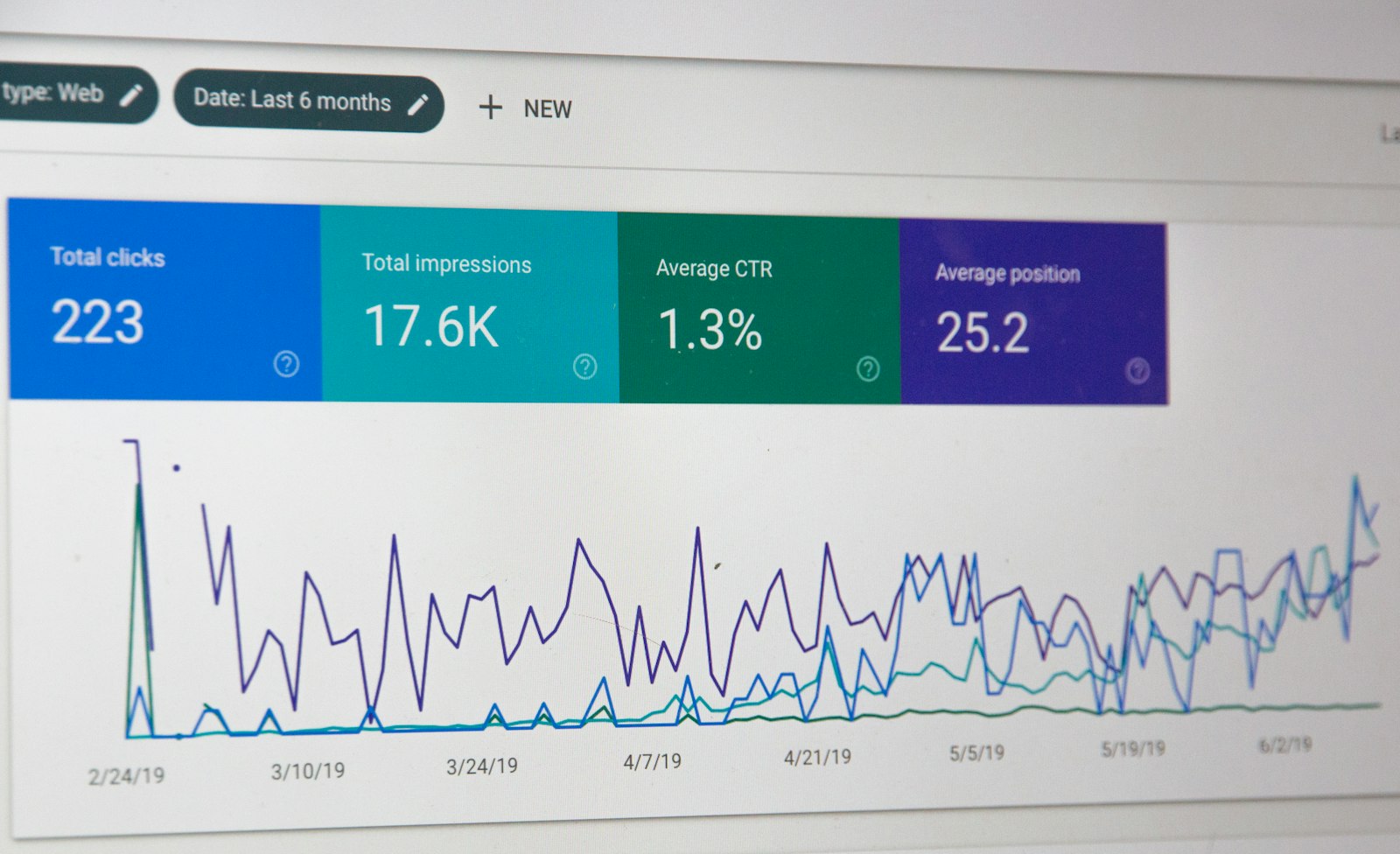
- Search Console
- Important URLs
- Indexing
- Titles
- Content
- Performance
- Internal linking
- Redirects
- Site structure
Then prioritize issues by impact.
SEO Should Not Be Mysterious
Technical SEO is the foundation that helps search engines access and interpret the website.
On-page SEO helps individual pages communicate their topics and satisfy the people landing on them.
Technical problems can prevent good content from performing.
Weak content can waste an excellent technical foundation.
So the answer to “Which matters more?” is not particularly exciting.
Both matter.
The better question is:
Which specific problem is preventing your website from performing right now?
Find that first.
Then fix it.
Related reading
- SEO for Small Business: What to Fix Before You Publish Another Blog Post
- 11 Signs Your WordPress Website Needs a Redesign—Not Another Plugin
Where to go next
If you would like an outside read on what is holding your website back in search, my search engine optimization service begins with an audit of what is actually true about the site today. You can also tell me what you are trying to fix and I will tell you honestly whether it is worth paying someone to solve.